How Football Ticket Ballots Work and How to Improve Your Odds
A football ticket ballot is a draw used for high-demand matches where demand far outstrips supply. This guide explains how ballots work across Premier League
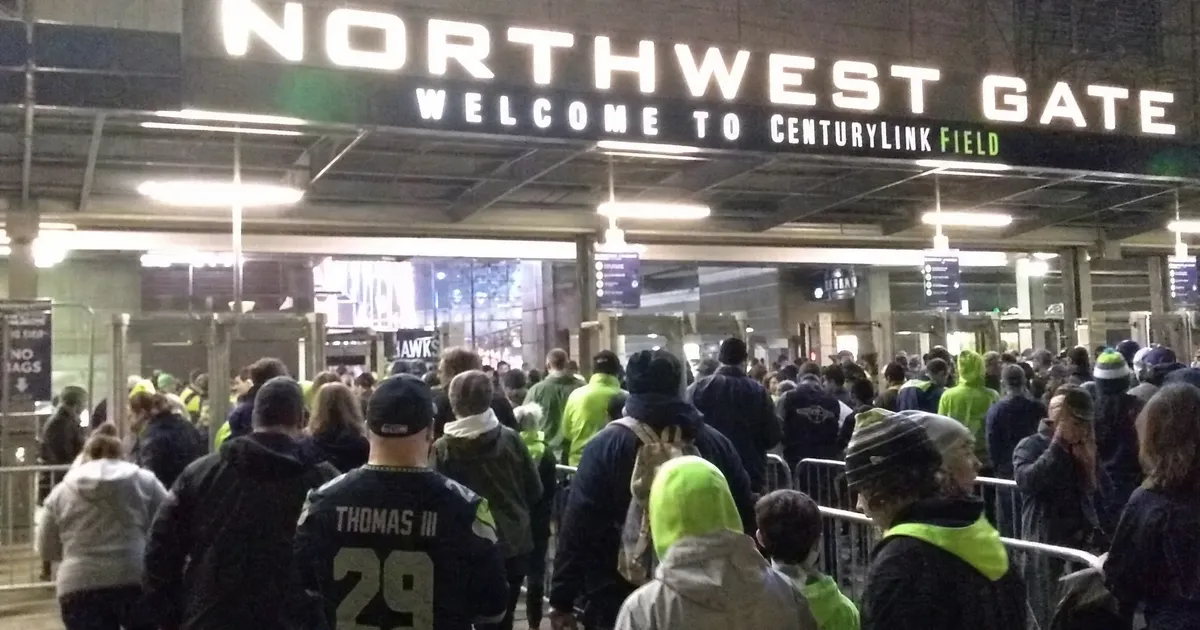
A football ticket ballot is a randomised (or points-weighted) draw that clubs and governing bodies use to hand out tickets when demand dwarfs supply. You put your name in the hat. The system decides. No queue, no fastest-fingers scramble. Sounds fair.
In practice, most people lose.
That's the hard truth. For the biggest matches, tens of thousands enter for a few thousand seats. Your odds are slim, and there's no hack that turns a long shot into a certainty. But there are legitimate steps that stop you tanking your own chances before the draw even happens. Here's exactly how ballots work across the Premier League, FA Cup, Champions League, and internationals, and what you can actually do to give yourself a shout.
Key takeaways
- A ballot is not a queue. Logging in early or refreshing the page does nothing. Your entry is drawn randomly (or ranked by loyalty points, depending on the club and competition).
- Most Premier League ballots require a paid club membership just to be eligible. At Manchester United, that's £37.50 to £70 per season. At Manchester City, £38 to £65.
- Manchester City and Manchester United don't run true random ballots for cup finals. They allocate on a points system, most loyal season-ticket holders first.
- The single biggest reason fans miss ballots isn't losing the draw. It's not knowing the entry window was open in the first place.
- Reselling a ballot-won ticket outside the club's official channels is a criminal offence in England and Wales under the Criminal Justice and Public Order Act 1994.
What is a ticket ballot and how is it different from a general sale?
In a general sale, tickets go live at a set time and it's a race. Fastest fingers win. A ballot works differently. You register your interest during a set entry window (sometimes as short as 48 hours), and after the window closes, the club draws names. Everyone who enters within the window has the same shot, whether they entered on minute one or hour 47.
That's the theory. In reality, some clubs weight their draws by loyalty credits or membership tier, so it's not purely random. More on that below.
Ballots exist because a first-come-first-served sale for a cup final or a heated derby would crash the server and reward bot users over real supporters. The ballot is meant to level the pitch. Whether it actually does is a different conversation.
Which matches and competitions use ballots?
Not every match uses a ballot. Clubs save them for the fixtures where demand is completely bonkers.
- Premier League. Individual clubs run ballots for the hottest home fixtures (big derbies, title deciders) and sometimes for away allocations. The format varies wildly club to club.
- FA Cup final. The FA allocates a portion of Wembley tickets to each finalist's supporters and runs a ballot through those clubs. Manchester United allocates cup-final tickets on a points system among season-ticket holders, favouring the most loyal. Members can't buy them. Even for season-ticket holders, a final ticket is not guaranteed.
- Champions League final. UEFA runs its own ballot for neutrals and allocates tickets to each finalist's fan base. The clubs then distribute their allocation, typically prioritising season-ticket holders by loyalty points. [VERIFY: exact ticket split between finalists and general public for recent UCL finals]
- England internationals. The FA runs ballots for home matches at Wembley, typically through its England Supporters Travel Club. [VERIFY: current eligibility criteria and oversubscription rate for England home international ballots]
- Away days. The holy grail. Several Premier League clubs use a points-based allocation (which functions like a weighted ballot) for away tickets. Manchester City award away tickets to Season Ticket Members with the most ticket points first.
Do I need a membership to enter a ballot?
Almost always, yes. And membership alone doesn't guarantee you'll even be eligible for the big ones.
At Manchester United, you need one of three ticket-buying membership tiers for 2026/27: Premium (£70), Official (£37.50), or Under-16 (£20). There's also a Forwarding membership (£30), but that one can only receive forwarded tickets, not buy them. Each membership buys one seat. But cup-final tickets? Members can't buy them at all. Those go to season-ticket holders ranked by points.
Manchester City offers Matchday (£38), Premium (£65), and Junior (£20) memberships for 2026/27. But a Manchester City membership does not guarantee a ticket for every home game, and it doesn't include the cost of any ticket. You're paying for the right to try. For cup-final tickets, Manchester City awards those on a points system, highest-points season-ticket holders first. Being only a member (not a season-ticket holder) makes away and cup-final tickets significantly harder to bag.
The pattern is clear. Membership gets you in the door. Points and attendance history determine how far through it you get.
Are ballots truly random, or do loyalty points change your odds?
Depends entirely on the club and competition.
Some ballots are genuinely randomised. You enter, the system picks names, done. But several top Premier League clubs run what are effectively points-based priority sales dressed up as ballots. The distinction matters.
At Manchester City, away and cup-final tickets go by ticket points, Season Ticket Members ranked by points rather than drawn at random. Manchester United's cup-final allocation works the same way, points among season-ticket holders deciding who gets in.
At Chelsea, loyalty points have shifted to an attendance-based model from 2026/27. Historically, only tickets bought from the ticket office counted. Now, loyalty points are earned by scanning at the turnstile, so forwarded and Ticket Exchange tickets that are actually used also earn points. That's a meaningful change if you've been building credits through the Exchange.
So when a club says "ballot," check whether it's a flat random draw or a points-weighted allocation. The word gets used loosely.
What are the common mistakes that get ballot entries rejected?
You'd be gutted to enter a ballot, technically win, and then get disqualified because of something daft. These are the recurring reasons clubs void entries:
- Expired membership. Must be active and paid up at the time of entry and at the point of allocation. Letting it lapse between entering and the draw is a schoolboy error.
- Payment failure. Card on your club account expired or cancelled? The club can't take payment when you win. Entry voided. Sorted for them, gutting for you.
- Duplicate entries. Entering the same ballot more than once (different accounts, different emails) is explicitly banned by most clubs. They cross-reference, and duplicates get binned. Both of them.
- Wrong name or details. Name on your membership must match your ID. Clubs are increasingly strict about this, especially for finals.
- Ineligible membership tier. Not every tier qualifies for every ballot. At Manchester United, the Forwarding membership (£30) can only receive forwarded tickets, it can't enter ballots or buy directly. Enter on that tier and you're wasting your time.
How do you find out when a ballot opens?
This is where most fans come unstuck. The ballot itself isn't the problem. The problem is finding out it's open before the window slams shut.
Clubs announce ballot windows through their official websites, email newsletters, and club apps. Entry windows can be brutally short, sometimes just 48 hours. Miss the email, miss the window. Sod's law says it'll land in your junk folder on the one week you're not checking.
Set up every notification channel the club offers: email, push notifications on the club app, SMS alerts if available. If you follow multiple clubs or competitions, that's multiple sets of alerts to manage. A proper faff.
Football Ticket Pro alerts you the moment a club opens a ballot or sale, so you're not finding out two days late from a mate's Instagram story. That's genuinely the difference between entering and not entering.
What happens if you lose the ballot?
You will lose most ballots. Accept that now. But losing doesn't mean the match is gone. Here are the official fallback routes:
- Club Ticket Exchange. Season-ticket holders who can't attend list their seats at face value. These drop at odd hours and go sharpish. Chelsea's Exchange, for example, now lets True Blue and CFC Blue members list tickets too, with listings open until three hours before kick-off.
- General sale returns. After ballot allocation, clubs sometimes release unclaimed or returned tickets in a standard sale. These sell fast.
- Hospitality. Expensive, but it's an official route and the seats exist. Worth knowing about for a once-in-a-lifetime fixture.
What you should not do is turn to unauthorised resellers. In England and Wales, it is a criminal offence to sell or pass on a ticket for a designated football match without the club's written authority, at any price (Criminal Justice and Public Order Act 1994, section 166). Tickets from dodgy resellers risk being fake, duplicated, or refused at the gate. Don't be a mug.
The ballot-ready checklist
Before any ballot window opens, run through this. Takes ten minutes. Stops you getting tripped up by something daft.
- Membership active? Confirm it's paid, current, and the right tier for the ballot you're entering.
- Payment method valid? Check the card on your club account hasn't expired. Update it now, not when you've won.
- Personal details correct? Name, address, date of birth. Must match your ID.
- Companion registered? If you're entering for two tickets, the person you're bringing usually needs their own active membership and needs to be linked to your account before entry.
- Notifications on? Email, app push notifications, SMS. All of them. Check your spam filter isn't swallowing club emails.
- Entry window tracked? Note the open and close dates. Set a phone alarm for the opening hour. Windows can be as short as 48 hours.
- Eligibility confirmed? Some ballots require a minimum number of loyalty points, a season ticket, or previous attendance. Check before you enter, not after.
- Fallback plan ready? Know the club's Ticket Exchange and general-sale return schedule. If you lose, you need to pivot sharpish.
Print it. Screenshot it. Stick it on your fridge. Whatever works.
How ballot rules differ across clubs and competitions
Club / Competition | Ballot type | Who's eligible? | Points-weighted?
Manchester United (cup finals) | Points-based allocation | Season-ticket holders only | Yes, highest points first
Manchester City (cup finals & aways) | Points-based allocation | Season Ticket Members prioritised | Yes, highest points first
Chelsea (high-demand home) | [VERIFY: ballot or priority sale?] | Members (True Blue / CFC Blue minimum) | Loyalty points now earned by attendance
FA Cup final | Club-run ballot from FA allocation | Varies by finalist club | Often points-weighted
Champions League final (UEFA) | Separate UEFA ballot + club allocation | Club portion: typically season-ticket holders | Club portion usually points-weighted
England home internationals | FA ballot (via Supporters Travel Club) | [VERIFY: current eligibility criteria] | [VERIFY: weighting method]
The key takeaway: "ballot" means different things at different clubs. Always check the specific rules for the specific fixture.
Ballots are frustrating by design. The demand is real, the allocation is limited, and no amount of refreshing a web page changes a random draw. But the fans who consistently give themselves a shout are the ones who stay eligible, stay informed, and enter every window they qualify for. Most people don't lose because the odds are bad. They lose because they didn't know the window was open, or their card had expired, or they assumed their mate's membership tier was good enough.
Stay eligible. Stay alert. Enter everything you qualify for. And when you lose (because you will), hit the Ticket Exchange sharpish.
Sources: Manchester United, Manchester City, Chelsea FC, Arsenal. Last verified 1 October 2026.
Want a heads-up the moment a ballot or sale opens? You can get Football Ticket Pro's ticket alerts.
Frequently asked questions
Are football ticket ballots actually random or do loyalty points matter?
It depends on the club and competition. Some ballots are genuinely random draws, but several Premier League clubs, including Manchester City and Manchester United, allocate cup-final and away tickets on a points system where the most loyal season-ticket holders go first. Always check the specific ballot's terms before assuming it's a flat draw.
Can I enter the same ballot more than once to increase my chances?
No. Clubs cross-reference entries, and submitting duplicates (even using different email addresses or accounts) will get all your entries voided. One membership, one entry. Trying to game it is a mug's game.
What happens if I win a ballot but can't attend?
Most clubs let you return the ticket through their official Ticket Exchange at face value. Do not try to sell it privately or through a third-party site. In England and Wales, selling a football ticket without the club's written authority is a criminal offence under the Criminal Justice and Public Order Act 1994.
Do I need a membership to enter a ticket ballot?
For Premier League clubs, almost always yes. At Manchester United, you need a Premium (£70), Official (£37.50), or Under-16 (£20) membership. At Manchester City, memberships start at £38. And membership only gets you eligible, it doesn't include the ticket price itself.
How far in advance do clubs open ballot entries?
It varies by club and competition, but entry windows can be as short as 48 hours. Clubs announce them via their website, app, and email, so having all notification channels switched on is essential.
What's the difference between a ballot and a priority sale?
A ballot draws names randomly (or by points) from everyone who registered during the window. A priority sale opens tickets for purchase at a set time, first-come-first-served, with access restricted to certain membership tiers or points thresholds. Some clubs blur the line between the two.
Why do some fans seem to win ballots every time?
They probably aren't winning true random ballots every time. More likely, they hold season tickets with high loyalty-point totals, which gives them priority in points-weighted allocations. They also enter every ballot they're eligible for, which over time produces more wins than someone who only tries for the final.
People also ask
- Do you need a membership to buy Premier League tickets?
- What's the difference between a club membership and a season ticket?
- How do loyalty points work for football ticket priority?
- Is a football club membership worth it if I only want one or two games?
- Can I buy tickets for away games with a membership?
- What happens if I have a membership but tickets still sell out before I can buy?